The Competitor’s Kitchen
How to Eat to Perform at Your Best
Good nutrition has a major impact on a Champion’s fitness, performance, training, and recovery.
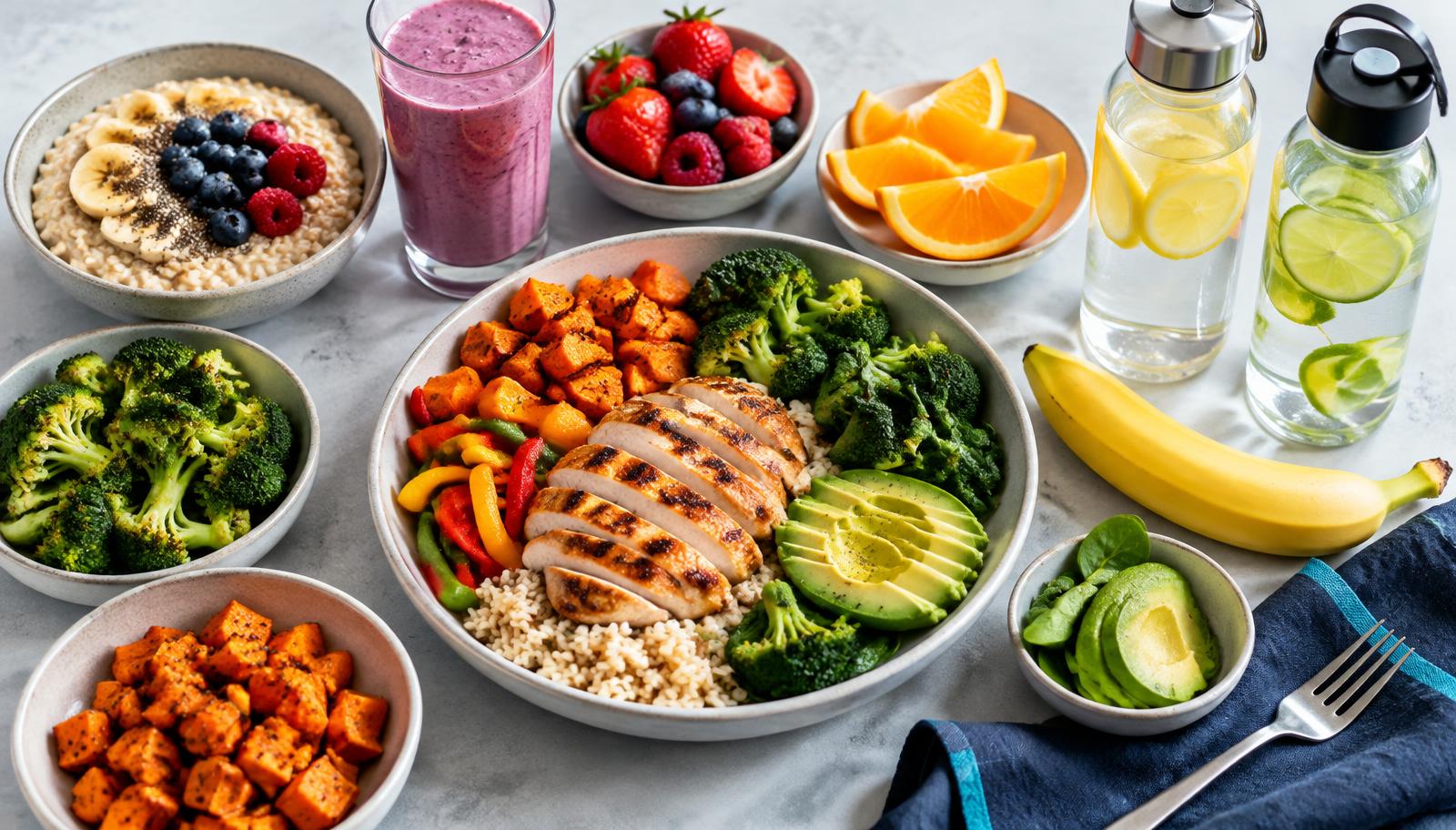

What’s up, Parents of Champions!
I want to share something just as important as what we do on the track: how we fuel our Champions.
We can coach speed, strength, mechanics, endurance, and race strategy all day long. However, if a Champion is not eating and hydrating well, it becomes much harder for the body to respond to that training.
The Foundation
Good Nutrition = Great Performance
Every Champion is different, but the body still needs a strong foundation. We do not have to make this complicated. We simply want to make good choices consistently.
Quality carbohydrates
Energy for training and competition
Protein
Repair and build muscle
Healthy fats
Sustained energy
Colorful produce
Vitamins and minerals
Fluids + electrolytes
Consistent hydration
The Game Plan
Step 01
The Night Before
The night before training or competition, keep dinner balanced, familiar, and simple.
A good plate might include:
- Rice, pasta, potatoes, or beans for carbohydrates and fiber.
- Chicken, turkey, fish, beans, or eggs for protein.
- Colorful vegetables for vitamins, minerals, and antioxidants.
Good vegetable options include:
- Spinach for iron and folate.
- Broccoli for vitamin C and fiber.
- Asparagus for folate and fiber.
- Red, yellow, and green bell peppers for vitamin C and antioxidants.
- Avocado for healthy fats and potassium.
- Olive oil as another healthy-fat option.
- Do not forget the water.
The night before is not the time to experiment with unfamiliar foods. Give the body clean, familiar fuel so it is ready to work the next day.
Step 02
Practice or Meet Morning
On the morning of practice or a meet, choose foods that provide energy without making the stomach feel heavy.
One of my favorite options is plain or minimally sweetened oatmeal. Stay away from heavily sweetened, prepackaged oatmeal whenever possible.
You can add:
- Bananas for carbohydrates and potassium.
- Raisins for carbohydrates and iron.
- Dates for quick energy and potassium.
Other good morning options include:
- Eggs with toast and avocado.
- Yogurt with granola and seeds.
- Cereal with fortified soy milk.
- Fortified almond milk when appropriate and when there is no tree-nut allergy.
Fruit is another easy win:
- Watermelon for fluids and carbohydrates.
- Apples for carbohydrates and fiber.
- Pineapple for carbohydrates and vitamin C.
- Honeydew for fluids and potassium.
- Mango for carbohydrates and vitamins A and C.
- Oranges for carbohydrates and vitamin C.
The goal is simple: give your Champion enough fuel to train without making the stomach feel heavy.
Learn More
Make Better Performance Choices
Fast Food & Fried Foods

Heavy, greasy meals can leave a Champion’s stomach uncomfortable and legs feeling sluggish. Learn easy swaps and the 24-to-48-hour performance window.
Read the full articleProcessed Sugars & Sweets

Quick energy can become a quick crash. Learn when sweets fit, what to choose before activity, and simple sweet-tooth swaps.
Read the full articleWatch Out
Sugary Drinks and Sodas
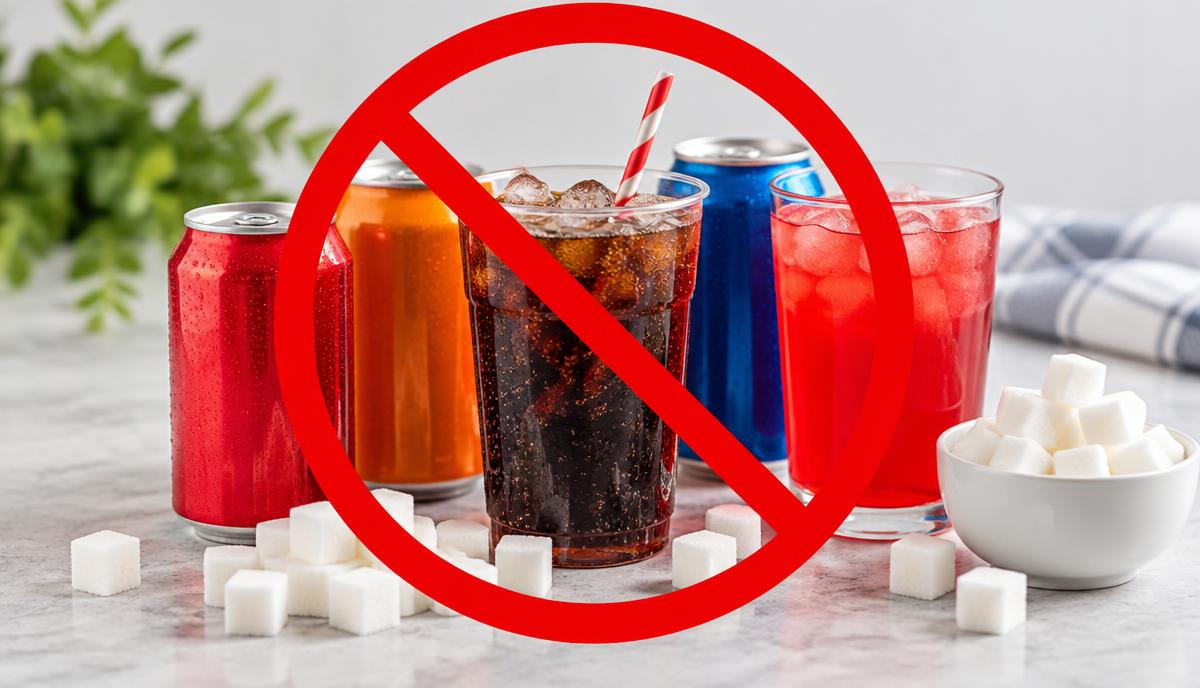
Sugary drinks and sodas sabotage young track athletes by draining their energy, causing stomach cramps, and slowing recovery. For youth athletes competing in AAU (ages 7–18), replacing sugar with proper hydration is critical for peak performance and safety.
The Risks
The Crash: Sugar spikes cause a major energy crash within 45 minutes, leading to fatigue, heavy legs, and dizziness during a race.
Stomach Pain: Soda and high-sugar juices cause bloating, painful cramps, and nausea on the track.
Dehydration: Sugar slows down water absorption, triggering painful muscle cramps.
Weak Bones & Muscles: Soda steals nutrients needed for recovery, increasing the risk of shin splints and injuries over the season.
The Rule
Practices & Short Events: Drink clean water only.
Long, Hot Meets (Over 1 Hour): Use an electrolyte sports drink (like Gatorade) to stay hydrated without crashing.
Hydration
Pre-Activity Hydration
Hydration begins before practice or competition. Encourage your Champion to drink water throughout the morning instead of waiting until activity starts.
Your Champion should maintain consistent daily hydration and begin targeted pre-hydration 24 to 48 hours before a major meet, while daily training requires focusing heavily on the 2 to 3 hours right before exercise. [1, 2, 3]
Pre-Meet and Daily Hydration Timeline
| Timing | Fluid Recommendation | Purpose |
|---|---|---|
| 24–48 Hours Before | Consistent fluid intake with meals | Ensures total body fluid balance and glycogen storage support. |
| 2–3 Hours Before | 16 to 24 ounces of water or sports drink | Allows the body to absorb fluids and eliminate excess via urine. |
| 10–30 Minutes Before | 7 to 10 ounces (or about 1 cup) of water | “Tops off” hydration levels right before exertion starts. |
For practices and meets, bring two water bottles whenever possible. Champions should sip regularly before, during, and after activity.
Fresh lemon or lime can also be added to water. This can make water more enjoyable and help Champions hydrate more consistently throughout the day.
Consistent hydration helps the body:
- Regulate temperature.
- Move nutrients.
- Support muscle function.
- Perform efficiently.
Simple habits done consistently make a difference.
In Motion
During Activity
During practice or competition, Champions should continue sipping fluids regularly.
Water is often enough for shorter or less intense activities. However, longer sessions, hot weather, humid conditions, and heavy sweating may require additional electrolytes.
Think about the workout, weather, duration, and how much your Champion is sweating.
Each option has a place:
- Water supports everyday hydration.
- Lemon or lime water can make hydration more enjoyable.
- Coconut water provides potassium and smaller amounts of sodium and magnesium.
- Electrolyte drinks can help replace sodium and potassium lost through sweat.
Coconut water is usually lower in sodium than many sports drinks. If your Champion is training hard, sweating heavily, or competing for an extended period in the heat, they may need a drink containing more sodium.
Please stay away from high-caffeine energy drinks. Our Champions need hydration and fuel—not a caffeine rush.
Step 03
Post-Training Recovery
Recovery begins after practice or a meet.
This gives the body a chance to begin replacing energy and supporting muscle recovery.
Good recovery options include:
- Chocolate soy milk.
- Greek yogurt with fruit.
- Regular yogurt with granola.
- Fortified soy milk with a banana.
- A fruit smoothie made with soy milk or yogurt.
- A fruit and vegetable smoothie.
- A turkey and avocado sandwich.
- A sunflower seed butter and banana sandwich.
- Eggs, toast, and avocado.
- Cheese, whole-grain crackers, and fruit.
- Cottage cheese with fruit and seeds.
These do not have to be fancy meals. We are simply giving the body what it needs after the work is done.
Recovery fruit options:
Bananas, dates, watermelon, pineapple, mango, oranges, apples, and honeydew. These foods are easy to pack, easy to grab, and easy to keep around the house.
Sometimes the best nutrition strategy is simply making the good choice the easy choice.
Daily Foundation
Everyday Habits
Nutrition is not only about the night before or the hour after practice. Champions also need consistent everyday habits that support training, recovery, and overall health.
Work colorful vegetables into meals regularly:
Spinach, broccoli, asparagus, beans, kale, carrots, cucumber, and red, yellow, and green bell peppers.
These foods provide a mixture of fiber, iron, folate, potassium, vitamin C, beta-carotene, and antioxidants.
We do not need our Champions memorizing every vitamin and mineral. We want them eating colorful, nutrient-rich foods consistently.
A Good Salad Option
Lettuce, kale, carrots, cucumber, raisins, avocado, and a light olive-oil dressing.
Pecans can provide healthy fats and magnesium, but only include them when there is no tree-nut allergy. If nuts are not an option, use sunflower or pumpkin seeds instead.
Smoothie Options
Banana, spinach, and mango; pineapple, kale, and cucumber; or berries, banana, and spinach.
Blend with fortified soy milk or yogurt for carbohydrates, protein, potassium, vitamins, and antioxidants. Smoothies can be especially helpful when a Champion does not feel ready to eat a complete meal immediately after training.
Safety First
For Champions With Nut or Peanut Allergies
There are still plenty of good alternatives:
- Sunflower seed butter provides healthy fats, vitamin E, and magnesium.
- Pumpkin seed butter provides protein, iron, and zinc.
- Tahini provides healthy fats and calcium.
- Always check ingredient labels and cross-contact warnings.
When it comes to allergies, safety comes first. Parents should follow the guidance of their Champion’s physician or qualified healthcare professional.
The Bottom Line
Keep It Simple
Parents, we are not turning every household into a sports nutrition lab. We are building better habits:
Fuel them well.
Keep them hydrated.
Help them recover.
Make healthy choices easy.
Your Champion is the race car. You are part of the pit crew.
Together, we can help our Champions train well, recover faster, stay healthy, and perform when it counts.
Give Your Champion a Performance Edge
Don’t Let Poor Nutrition Hold Your Champion Back
Use this game plan to give your Champion an edge and help the body perform at its best.